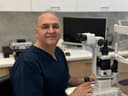
By Dr. Cyrus Chalie, OD
Why do I need glaucoma screening without symptoms?
Glaucoma can cause gradual damage to the optic nerve before you notice any change in your vision. In the early stages, your eyes may feel comfortable and your sight may seem clear.
That is why glaucoma screening in North Vancouver is a useful part of comprehensive eye care, especially if you have risk factors, manage diabetes or are due for an eye exam. Screening looks for early warning signs. It does not diagnose glaucoma from one test alone.
At NORViSTA Eye Care in Lower Lonsdale, we use tools such as OCT, retinal imaging and visual field testing when they are appropriate for your eye health needs. Our care is available in English, Farsi and Mandarin, and new patients are welcome.
What happens during a glaucoma screening exam?
A glaucoma screening exam usually starts with a conversation. We review your health history, medications, family history and any past eye concerns. We also check your vision and examine the optic nerve at the back of the eye.
Depending on your age, eye health and risk factors, your exam may include:
- An eye pressure measurement
- Retinal imaging to document the appearance of the optic nerve
- OCT imaging to assess nerve fibre layers
- Visual field testing to check side vision
Eye pressure matters, but it is only one part of the picture. Some people with glaucoma have eye pressure within a typical range. Others may have higher pressure without signs of glaucoma. For that reason, we consider your test results together rather than relying on a single number.
Your testing plan is personal. A person with a family history of glaucoma or a previous concern about optic nerve appearance may need different testing than someone with no known risks.
Who is at higher risk for glaucoma?
Anyone can develop glaucoma, but some factors can raise the level of concern. Risk may be higher when glaucoma runs in the family or when there are certain eye or health factors.
Please tell us if you have any of the following:
- A parent, sibling or other relative with glaucoma
- Previous high eye pressure readings
- Diabetes or other medical conditions that may affect eye health
- Past eye surgery or an eye injury
- Long-term use of certain steroid medications
Risk can also increase with age, even when you can still see clearly. Regular glaucoma screening can help us monitor your eye health over time and compare changes from one visit to the next.
Having a risk factor does not mean you have glaucoma. It simply gives us more reason to take a careful look at your eyes during a comprehensive exam.
Can glaucoma be found before vision changes?
Yes, glaucoma-related changes can sometimes be found during an eye exam before you notice vision loss. This is one reason routine screening matters when you have no symptoms.
Early glaucoma often affects peripheral vision first. Because those changes can happen slowly, your brain may adjust without you realizing anything is different in daily life. Reading, driving and working may still feel normal.
Looking at results over time can be especially helpful. Retinal images, OCT scans, eye pressure readings and visual field tests can give us information about whether the optic nerve appears stable or whether there are changes worth reviewing more closely.
If we find a concern, early assessment gives you and your eye care provider the chance to discuss the appropriate next steps. It does not guarantee a particular outcome, but it can help guide timely care.
Sudden vision loss, a painful red eye, a severe headache with eye symptoms, chemical exposure or an eye injury need urgent or emergency care right away.
How often should I book glaucoma screening?
The right eye exam schedule depends on your age, family history, overall health, medications and findings from past exams. If you have known glaucoma risk factors, high eye pressure or a previous concern involving the optic nerve, we recommend following the timing suggested during your exam.
For busy North Shore families and commuters, routine eye care can be easy to put off when vision seems fine. A comprehensive eye exam is still a useful way to review more than your glasses prescription. It allows us to check your eye health and decide whether additional glaucoma testing is needed.
Children also need regular comprehensive eye exams. Glaucoma is less common in children, and screening needs are determined individually based on their eye health and history.
Clear vision is helpful, but it does not always rule out early eye disease. Keeping up with eye exams gives us a baseline for comparison and helps ensure that concerns are reviewed when they first appear.
Protect your vision with timely screening
At NORViSTA Eye Care, we can help you understand your eye health with glaucoma screening in North Vancouver. Our team uses detailed testing to check for changes that may not cause noticeable symptoms. Contact us to book an eye exam and discuss your glaucoma risk.
Frequently asked questions
What are the early warning signs of glaucoma?
Early glaucoma often has no noticeable symptoms. If vision changes occur, they may develop gradually and can be difficult to spot on your own. Regular eye exams help us look for signs before you notice a problem.
Does high eye pressure always mean glaucoma?
No. High eye pressure can be a risk factor, but it does not confirm glaucoma by itself. We assess pressure alongside the health of the optic nerve, retinal imaging, OCT results and visual field findings.
Can glaucoma screening be done during a regular eye exam?
Yes. Glaucoma screening is commonly included as part of a comprehensive eye exam. Additional tests may be recommended when your history, eye pressure, optic nerve appearance or other findings suggest a closer assessment is needed.
Should I book an exam if glaucoma runs in my family?
Yes. A family history of glaucoma is useful information for us to know and may affect how often we recommend eye exams. Share any details you know about relatives with glaucoma, even if you are not sure about their diagnosis or treatment.