Myopia, also called nearsightedness, is common in school-age children. If your child is having trouble seeing far away, an eye exam can help us check whether myopia is present and whether their prescription is changing.
Small changes are easy to miss, especially when children do not know that their vision is different from others'. Guidance from the Canadian Association of Optometrists supports regular children's eye exams and awareness of vision changes as children grow.
When should my child be assessed for myopia control?
A child should be assessed when myopia is identified or when their prescription appears to be changing. The right timing depends on their eye exam findings, family history, visual needs, and overall eye health.
You may notice your child:
- Squinting to see the classroom board or distant signs
- Sitting close to the television or moving closer to screens
- Holding books very near their face
- Complaining of headaches or tired eyes
- Losing interest in activities that require clear distance vision
Myopia Control Considers More Than a Prescription
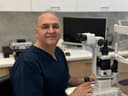
Myopia control is not simply an updated pair of glasses. It is a care plan that may help manage how nearsightedness progresses while we continue monitoring your child's eyes. At NORViSTA Eye Care, Dr. Cyrus Chalie, OD, reviews vision, prescription changes, eye health, family history, visual habits, and any concerns from home or school.
Regular Monitoring Helps Guide Care
For families considering myopia control in North Vancouver, early assessment can be helpful because children's eyes may change during their school years. Regular exams give us a clearer picture of whether myopia seems stable or is progressing. Peer-reviewed myopia-management research and guidance from organizations such as the Canadian Association of Optometrists and BC Doctors of Optometry support careful monitoring based on each child's needs.
Please bring your child's current glasses and any previous prescription details you have. It can also help to share questions about screen use, outdoor time, family eye history, and school vision concerns.
Sudden vision loss, severe eye pain, chemical exposure, or an eye injury needs emergency care right away. Do not wait for a routine eye exam.
What myopia control options and monitoring may be appropriate?
There is no single myopia control option that suits every child. Recommendations depend on age, prescription, eye health, lifestyle, comfort with care routines, and what we find during a comprehensive eye exam.
Depending on the assessment, we may discuss options such as specially selected spectacle lenses, contact lens options, or other clinically appropriate approaches. Some children may be ready for contact lenses, while others may not be. Hygiene habits, maturity, comfort, and the ability to follow instructions all matter.
A care plan also includes follow-up visits. During these visits, we compare prescription changes, assess visual function, review eye comfort, and check overall eye health. When clinically appropriate, our OCT, retinal imaging, and visual field testing can help us evaluate different parts of the eye. Not every child needs every test.
Healthy visual habits can be part of the bigger picture, too. We may talk with you about:
- Taking regular breaks during close work
- Using comfortable lighting for reading and homework
- Creating balanced screen habits
- Spending time outdoors
- Keeping up with comprehensive eye exams
These habits do not replace professional eye care or prescribed treatment. Even if your child already wears glasses or contact lenses, their prescription is only one part of a complete eye health assessment.
Support Your Child's Clearer Vision
Our team at NORViSTA Eye Care can help you understand whether myopia control in North Vancouver may suit your child's needs. We will review their vision, eye health, and daily habits to discuss appropriate next steps. Contact us to book an eye exam.
What questions do parents often ask about myopia control?
How do I know if my child's myopia is getting worse?
A comprehensive eye exam is the most reliable way to compare prescription changes over time and assess eye health. Squinting, sitting closer to the television, or reporting blur at school can be useful signs to share, but they do not replace an exam.
Can my child have myopia control if they already wear glasses?
Possibly. A child who already wears glasses may still be a candidate, depending on their prescription, eye health, and exam findings. We recommend reviewing any changes in vision rather than making treatment changes without professional guidance.
How often does my child need follow-up visits?
Follow-up timing varies with your child's age, prescription, eye health, and care plan. Keeping recommended appointments helps us monitor changes clearly and make informed adjustments when needed.